Designing Electric Commercial Delivery Vehicles with Integrated Last-Mile Micro-Mobility Pods

Designing Electric Commercial Delivery Vehicles with Integrated Last-Mile Micro-Mobility Pods

The rapid explosion of e-commerce has fundamentally transformed urban landscapes, bringing with it a compounding crisis of congestion. Anyone living in a modern metropolitan area is familiar with the sight: massive delivery vans double-parked on busy thoroughfares, blocking bike lanes, idling for hours, and creating frustrating traffic bottlenecks. Traditional commercial delivery models, built around oversized vans attempting to navigate narrow downtown streets, are rapidly becoming unsustainable.

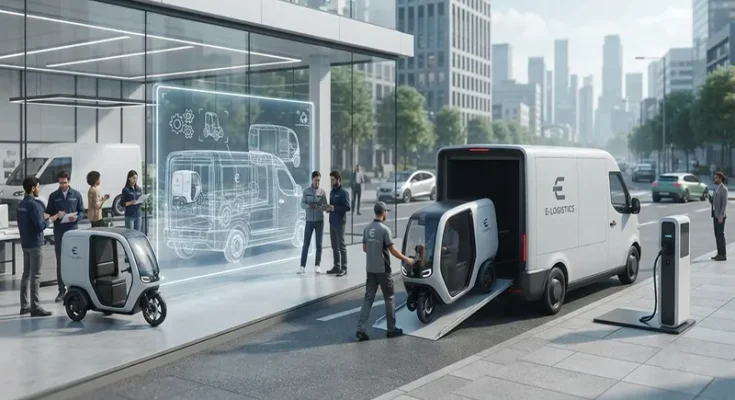
Enter a revolutionary shift in commercial automotive design: electric delivery vans equipped with integrated last-mile micro-mobility pods. By transforming the primary commercial EV into a mobile hub that deploys electric cargo bikes, e-trikes, or autonomous delivery droids, fleet operators are solving urban congestion and slashing delivery times.

The Last-Mile Bottleneck in Modern Logistics

The final leg of a package’s journey—known in the logistics industry as the “last mile”—is notoriously the most expensive, inefficient, and carbon-heavy part of the supply chain.

Traditional urban delivery fleets …

Designing Electric Commercial Delivery Vehicles with Integrated Last-Mile Micro-Mobility Pods Read More
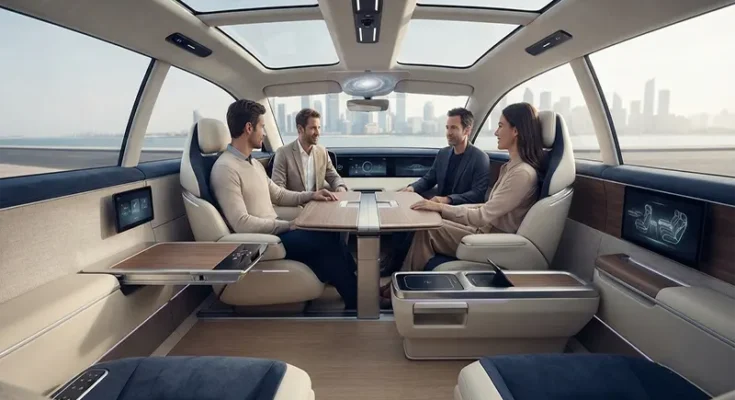
Rotating Seats and Modular Living Spaces in Autonomous Luxury Car Interior Concepts

Rotating Seats and Modular Living Spaces in Autonomous Luxury Car Interior Concepts

For over a century, the interior architecture of the automobile has been bound by a single rigid constraint: the human driver. Every seat, dash panel, and control surface was meticulously arranged facing forward, optimized for the singular task of steering down a highway. Today, as software-driven autonomy marches steadily toward reality, that foundational constraint is dissolving.

When human drivers are permanently relieved of steering duties, the purpose of the car cabin changes entirely. Autonomous vehicle (AV) concepts featuring rotating seats and modular layouts are redefining luxury, transforming transit time from a high-vigilance chore into mobile productivity and relaxation sanctuaries.

The Death of the Traditional Cockpit

To grasp the scale of this design revolution, one must look at how Level 4 and Level 5 autonomous driving systems alter vehicle packaging. In a fully autonomous vehicle, the steering wheel, foot pedals, and fixed instrument clusters become obsolete dead weight.

Without the need …

Rotating Seats and Modular Living Spaces in Autonomous Luxury Car Interior Concepts Read More
The Aerodynamic Shift: Evolution of Sports Car Design Over the Last Decade

The Aerodynamic Shift: Evolution of Sports Car Design Over the Last Decade

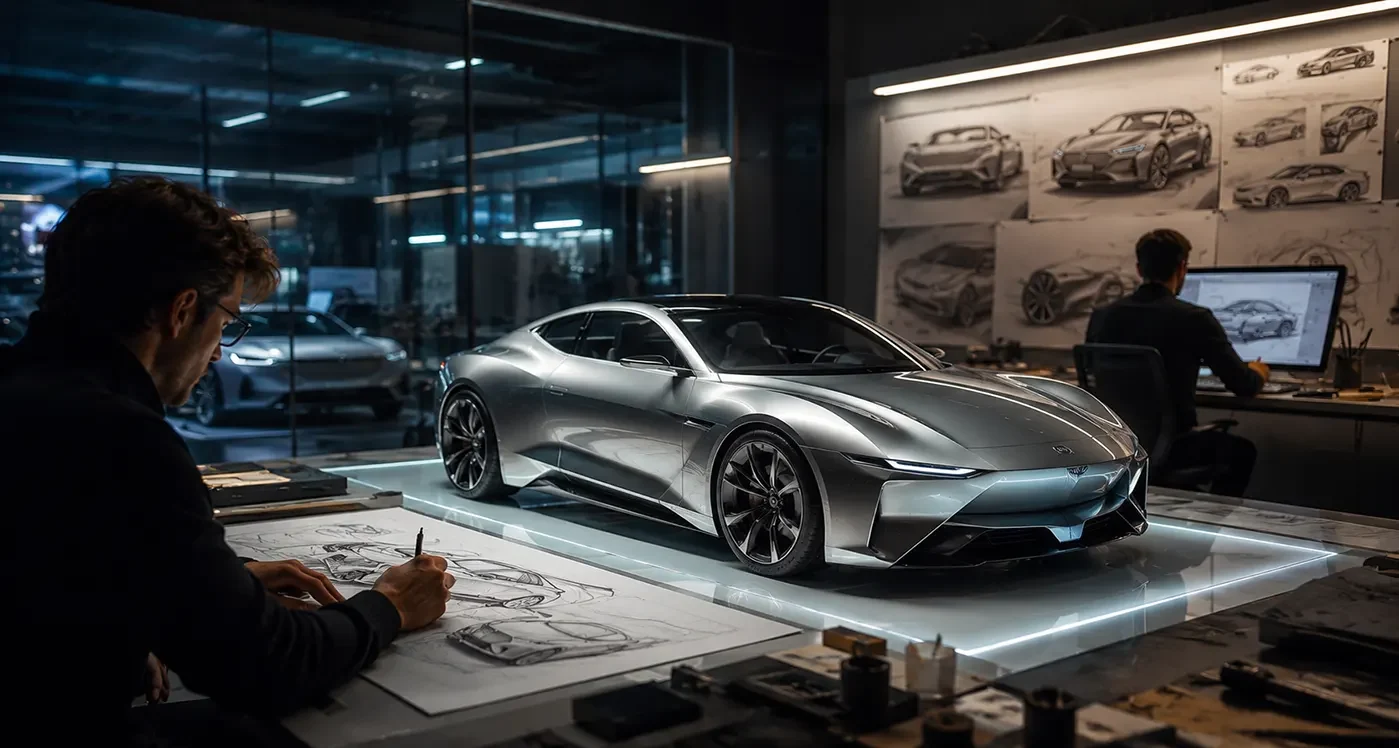
The last decade (roughly 2015 to 2025) has been a pivotal era for sports car design, marked by a dynamic convergence of aerodynamic necessity, technological integration, and the industry’s accelerating shift toward electrification. While the fundamental low-slung, aggressive profile remains, the details—and the core engineering—have evolved dramatically, transforming these high-performance machines.

1. The Dominance of Active Aerodynamics

Perhaps the most significant design shift is the incorporation of active aerodynamic elements that visibly change the car’s shape based on speed and driving conditions. Once reserved for top-tier hypercars, active aero is now common across the performance spectrum.

  • Integrated Form: Designers have moved past simple fixed wings, utilizing systems like deployable rear spoilers, active front splitters, and flaps to manage airflow, downforce, and drag in real-time. This not only boosts performance but allows for cleaner, more elegant baseline designs when the car is cruising.
  • Functional Sculpting: Every body panel is now
The Aerodynamic Shift: Evolution of Sports Car Design Over the Last Decade Read More
Speed Meets Sustainability: The Advantages of Sports Electric Vehicles for Eco-Friendly Driving

Speed Meets Sustainability: The Advantages of Sports Electric Vehicles for Eco-Friendly Driving

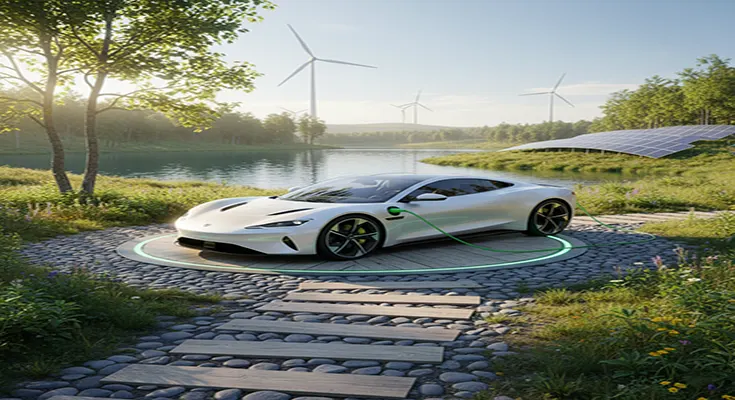
The automotive world is undergoing a revolutionary shift, and the high-performance sector is no exception. Gone are the days when exhilarating speed meant compromising the environment. Today, the rise of Sports Electric Vehicles (EVs) is proving that blistering performance and eco-friendly driving can coexist, offering a compelling blend of speed, technology, and sustainability.

These high-octane electric machines leverage all the inherent benefits of EV technology while pushing the boundaries of vehicle dynamics, making a powerful case for a greener, yet thrilling, driving future.

Here are the key advantages of Sports Electric Vehicles for eco-friendly driving:

1. Zero Tailpipe Emissions: A Local Clean Air Champion

The most significant environmental benefit of any Battery Electric Vehicle (BEV) is its zero tailpipe emissions. For sports EVs, this means that even during the most spirited drives, they produce absolutely no Nitrogen Oxides (), Carbon Monoxide (), or unburnt hydrocarbons, which are major contributors …

Speed Meets Sustainability: The Advantages of Sports Electric Vehicles for Eco-Friendly Driving Read More
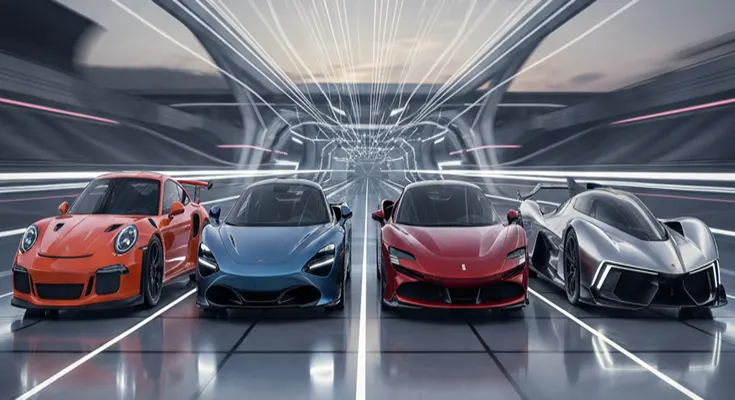
The Art of Velocity: Best Sports Car Designs Combining Style and Speed

The Art of Velocity: Best Sports Car Designs Combining Style and Speed

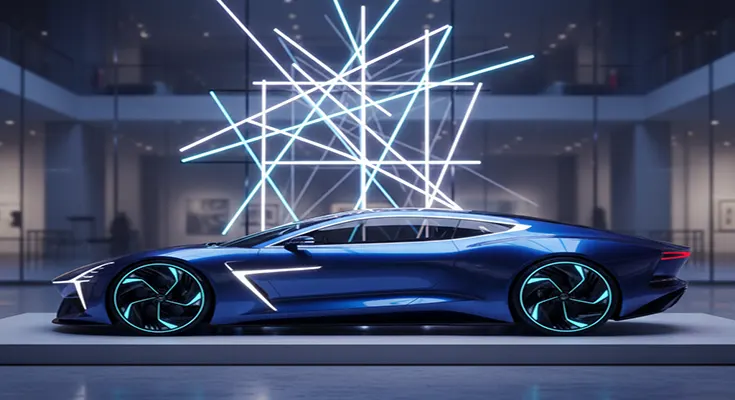
The sports car—it’s more than just a machine; it’s a statement. It represents the perfect fusion of art and engineering, a vehicle where every curve and line serves not just an aesthetic purpose, but an aerodynamic one. For enthusiasts, the ultimate pleasure lies in the rare breed of automobiles that seamlessly blend breathtaking style with blistering speed. These are the models that have achieved automotive nirvana: where form and function are in flawless harmony.

Here, we celebrate the best sports car designs that master the tricky balance of style and speed.

The German Icon: Porsche 911

Few cars on the planet can claim the longevity and sustained excellence of the Porsche 911. Its design philosophy is one of constant, brilliant evolution rather than revolution.

Style Meets Speed:

  • Timeless Silhouette: The 911’s iconic, rear-engined profile—with its sloping roofline and signature oval headlights—is instantly recognizable. Its design language prioritizes simplicity and
The Art of Velocity: Best Sports Car Designs Combining Style and Speed Read More