Why Automakers Are Bringing Back Physical Buttons to Car Dashboard Designs

Why Automakers Are Bringing Back Physical Buttons to Car Dashboard Designs

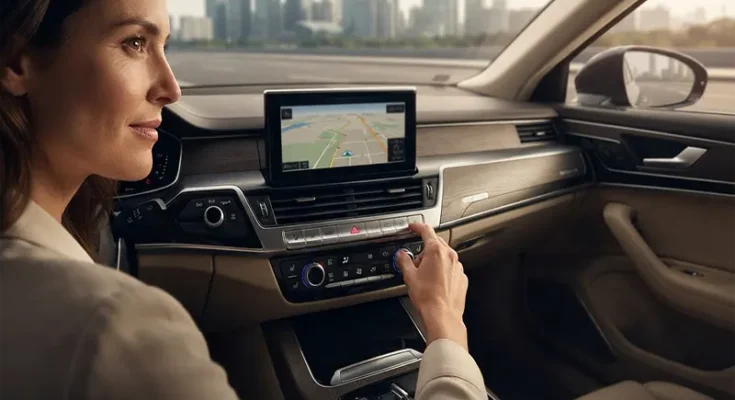
Over the past decade, sliding into the driver’s seat of a newly released vehicle often felt like stepping inside a minimalist sci-fi movie set. Sleek, glass-heavy digital displays replaced traditional dashboards, sweeping away dials, toggles, and switches in favor of expansive touchscreens. Automakers chased the futuristic aesthetics popularized by consumer electronics, cutting production overhead and packaging climate controls, audio adjustments, and vehicle settings into smooth digital menus.

However, the honeymoon phase of digital minimalism has officially ended. Faced with mounting consumer frustration, distracted driving crises, and shifting regulatory frameworks, automakers are actively reversing course. The physical button is making a triumphant return to car interiors, driven by a renewed commitment to safety, tactile ergonomics, and intuitive usability.

The Touchscreen Overload: A Decade of Digital Minimalism

The wholesale digitization of car cabins was born out of a desire to modernize. Influenced by smartphones, manufacturers realized that glass screens could be updated …

Why Automakers Are Bringing Back Physical Buttons to Car Dashboard Designs Read More
Why Extended Range Electric Vehicles and Plug-In Hybrids Are Dominating Auto Sales

Why Extended Range Electric Vehicles and Plug-In Hybrids Are Dominating Auto Sales

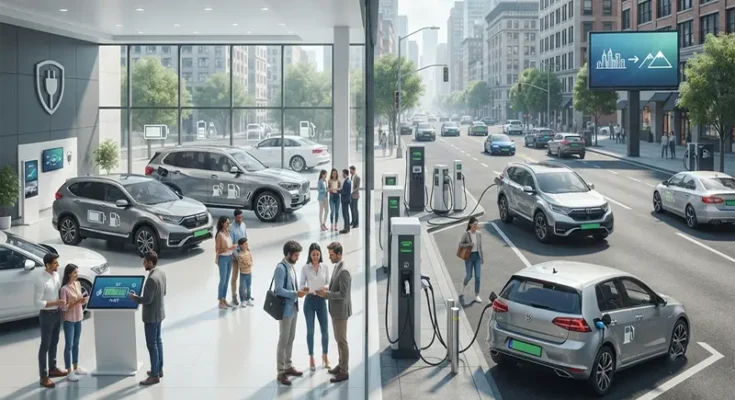
The global transition toward vehicle electrification has entered a fascinating new phase. For years, the market narrative operated on a rigid, all-or-nothing approach, framing the future entirely around pure battery-electric vehicles (BEVs). However, consumer habits, infrastructure bottlenecks, and economic realities have reshaped showroom floors.

The undisputed rising stars of modern auto sales are Plug-In Hybrid Electric Vehicles (PHEVs) and Extended Range Electric Vehicles (EREVs). By successfully combining daily emission-free electric driving with a gasoline backup, these powertrains are capturing massive market share by completely eliminating range anxiety and charging friction.

Defining the Powertrains: PHEVs vs. EREVs

While both vehicle types bridge the gap between internal combustion and full electrification, their internal mechanical designs differ significantly:

  • Plug-In Hybrid Electric Vehicles (PHEVs): PHEVs feature a blended architecture combining a traditional internal combustion engine (ICE) with an electric motor and battery pack. Both the electric motor and the gas engine can mechanically drive
Why Extended Range Electric Vehicles and Plug-In Hybrids Are Dominating Auto Sales Read More
How Software-Defined Vehicles Allow Automakers to Lock Car Features Behind Subscriptions

How Software-Defined Vehicles Allow Automakers to Lock Car Features Behind Subscriptions

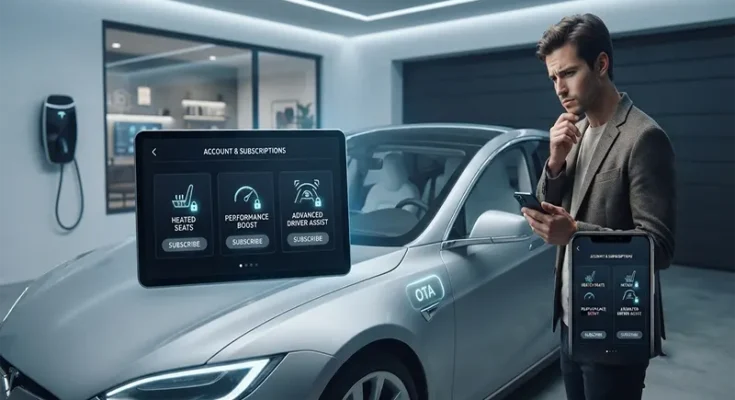
Stepping into a modern automobile increasingly feels less like operating traditional machinery and more like opening a smartphone. Drivers sliding behind the wheel of today’s newest models are often greeted by sprawling digital displays, sophisticated driver-assistance suites, and over-the-air connectivity. However, this high-tech transformation has introduced a surprising twist to the showroom floor: walking out with the keys no longer guarantees full access to all the hardware built into the vehicle.

Driven by the rise of Software-Defined Vehicles (SDVs) and Over-The-Air (OTA) update capabilities, automakers have unlocked an unprecedented degree of remote control over their fleets. While this technology gives manufacturers the flexibility to continuously improve vehicles long after purchase, it has also ushered in a controversial era of subscription-based features, turning standard car functions into recurring monthly fees.

The Architecture of the Software-Defined Vehicle

To understand how feature subscriptions function, one must look at how modern cars are engineered. …

How Software-Defined Vehicles Allow Automakers to Lock Car Features Behind Subscriptions Read More
The Influx of Used Electric Vehicles Off-Lease: Driving Down Pre-Owned EV Prices

The Influx of Used Electric Vehicles Off-Lease: Driving Down Pre-Owned EV Prices

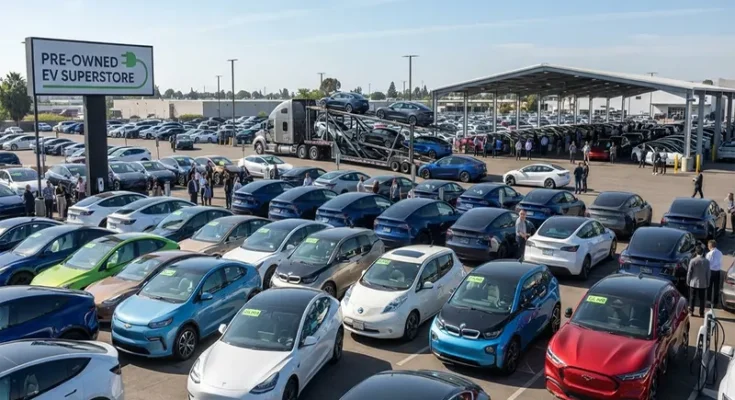
The pre-owned automotive market is undergoing a seismic structural shift, driven by a massive wave of vehicles returning from their initial three-year financing terms. Thanks to a historic boom in EV leasing that began years prior—largely fueled by creative financing structures and manufacturer incentives—hundreds of thousands of battery-electric vehicles are flooding back onto dealership lots and wholesale auction floors.

For years, high sticker prices acted as the single biggest barrier to entry for prospective electric vehicle owners. Today, that narrative is being upended. The surge of off-lease inventory is creating an undeniable buyer’s market, bringing premium zero-emission mobility within reach of everyday shoppers while forcing a fundamental re-evaluation of automotive depreciation.

The Anatomy of the Off-Lease EV Wave

To understand how today’s pre-owned lots became heavily populated with electric models, one must look at recent retail trends. Between aggressive corporate fleet electrification goals and a massive surge in consumer leasing …

The Influx of Used Electric Vehicles Off-Lease: Driving Down Pre-Owned EV Prices Read More