
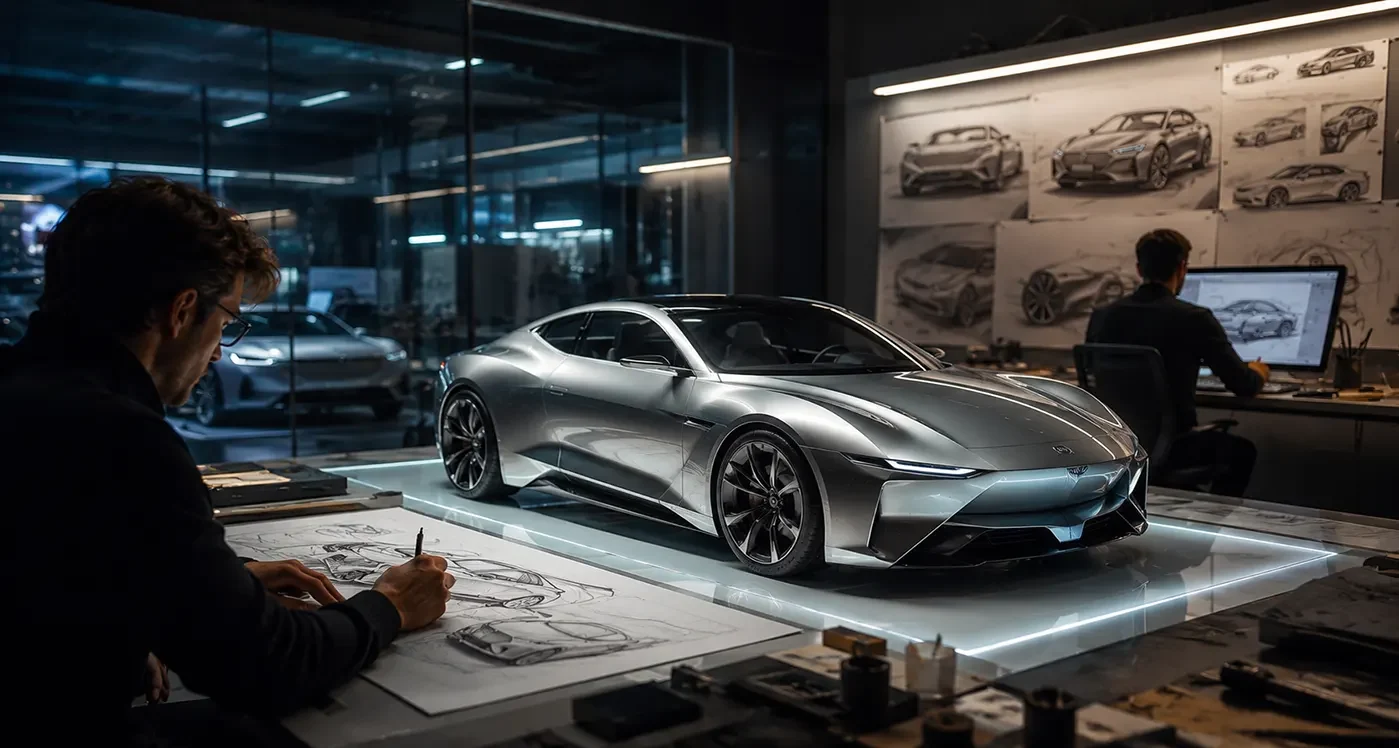

How to Refinance an Existing Auto Loan to Lower Your Interest Rate

How to Refinance an Existing Auto Loan to Lower Your Interest Rate

Inflation, fluctuating financial markets, and personal financial milestones mean that the car loan you signed a year or two ago might no longer serve your best interests. If you locked in a high Annual Percentage Rate (APR) at the dealership or watched your personal credit score climb significantly since purchasing your vehicle, you are likely paying more in finance charges than you need to.

Auto loan refinancing is a powerful financial tool that replaces your current high-interest loan with a brand-new agreement featuring more favorable terms. Successfully executing a refinance can dramatically reduce your monthly commitments and save you thousands over the life of the loan.

When Does Auto Loan Refinancing Make Sense?

Refinancing is not a universal fix for every auto loan; timing and macroeconomic conditions dictate whether the math works in your favor.

  • Improved Credit Score: If your credit score has jumped a tier or two since you
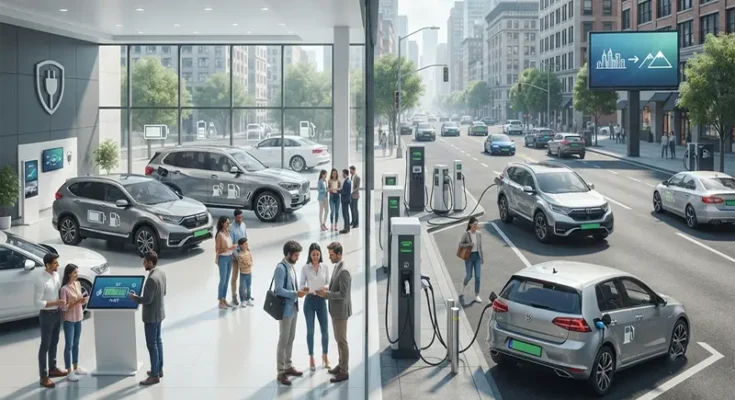
How to Refinance an Existing Auto Loan to Lower Your Interest Rate Read More
Why Extended Range Electric Vehicles and Plug-In Hybrids Are Dominating Auto Sales

Why Extended Range Electric Vehicles and Plug-In Hybrids Are Dominating Auto Sales

The global transition toward vehicle electrification has entered a fascinating new phase. For years, the market narrative operated on a rigid, all-or-nothing approach, framing the future entirely around pure battery-electric vehicles (BEVs). However, consumer habits, infrastructure bottlenecks, and economic realities have reshaped showroom floors.

The undisputed rising stars of modern auto sales are Plug-In Hybrid Electric Vehicles (PHEVs) and Extended Range Electric Vehicles (EREVs). By successfully combining daily emission-free electric driving with a gasoline backup, these powertrains are capturing massive market share by completely eliminating range anxiety and charging friction.

Defining the Powertrains: PHEVs vs. EREVs

While both vehicle types bridge the gap between internal combustion and full electrification, their internal mechanical designs differ significantly:

  • Plug-In Hybrid Electric Vehicles (PHEVs): PHEVs feature a blended architecture combining a traditional internal combustion engine (ICE) with an electric motor and battery pack. Both the electric motor and the gas engine can mechanically drive
Why Extended Range Electric Vehicles and Plug-In Hybrids Are Dominating Auto Sales Read More